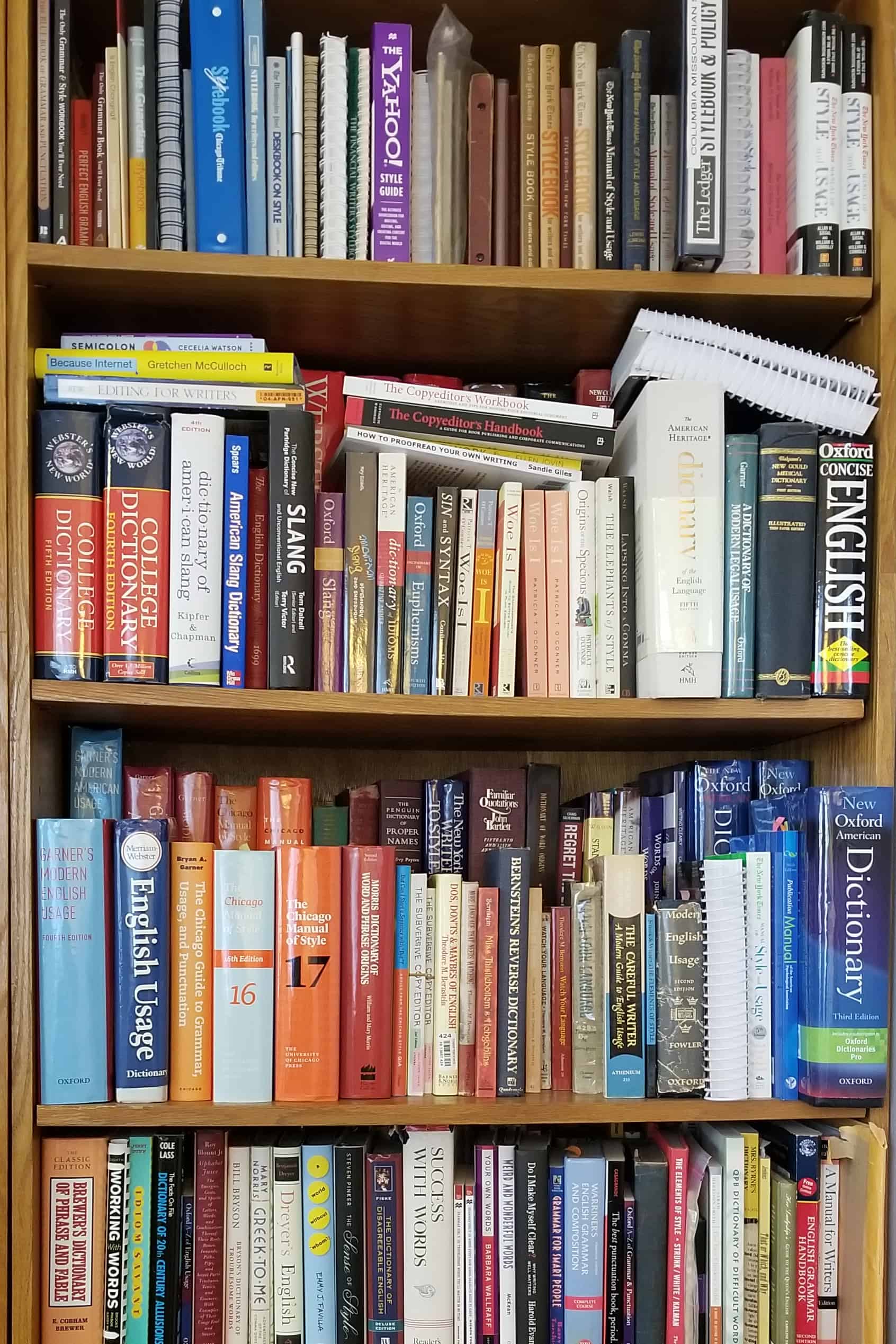
A distinguished career in journalism, higher education, and executive editing at the highest levels.
Merrill Perlman has earned a commanding national reputation as an effective, insightful, and entertaining editor, collaborator, and educator.
She spent 25 years at The New York Times in essential leadership roles, serving as business copy editor, manager of staff editor recruiting, managing editor of The New York Times News Service, and director of copy desks. During her tenure, she helped steer the standards of one of the world's most exacting newsrooms.
Merrill is an adjunct assistant professor at the Columbia University Graduate School of Journalism. For 13 years, she wrote the celebrated "Language Corner" column for the Columbia Journalism Review (CJR), dissecting grammar debates, style developments, cultural semantics, and trending usage with wit and erudition.
Seasonally for over 18 years, Merrill has worked with The New York Times copy editing their Pulitzer Prize contest entry letters โ detailed narrative essays synthesizing complex investigations, datasets, and investigative breakthroughs. She also serves as the copy editor for the bi-weekly newsletter of NPR's Public Editor (ombudsman), examining ethics and editorial integrity.
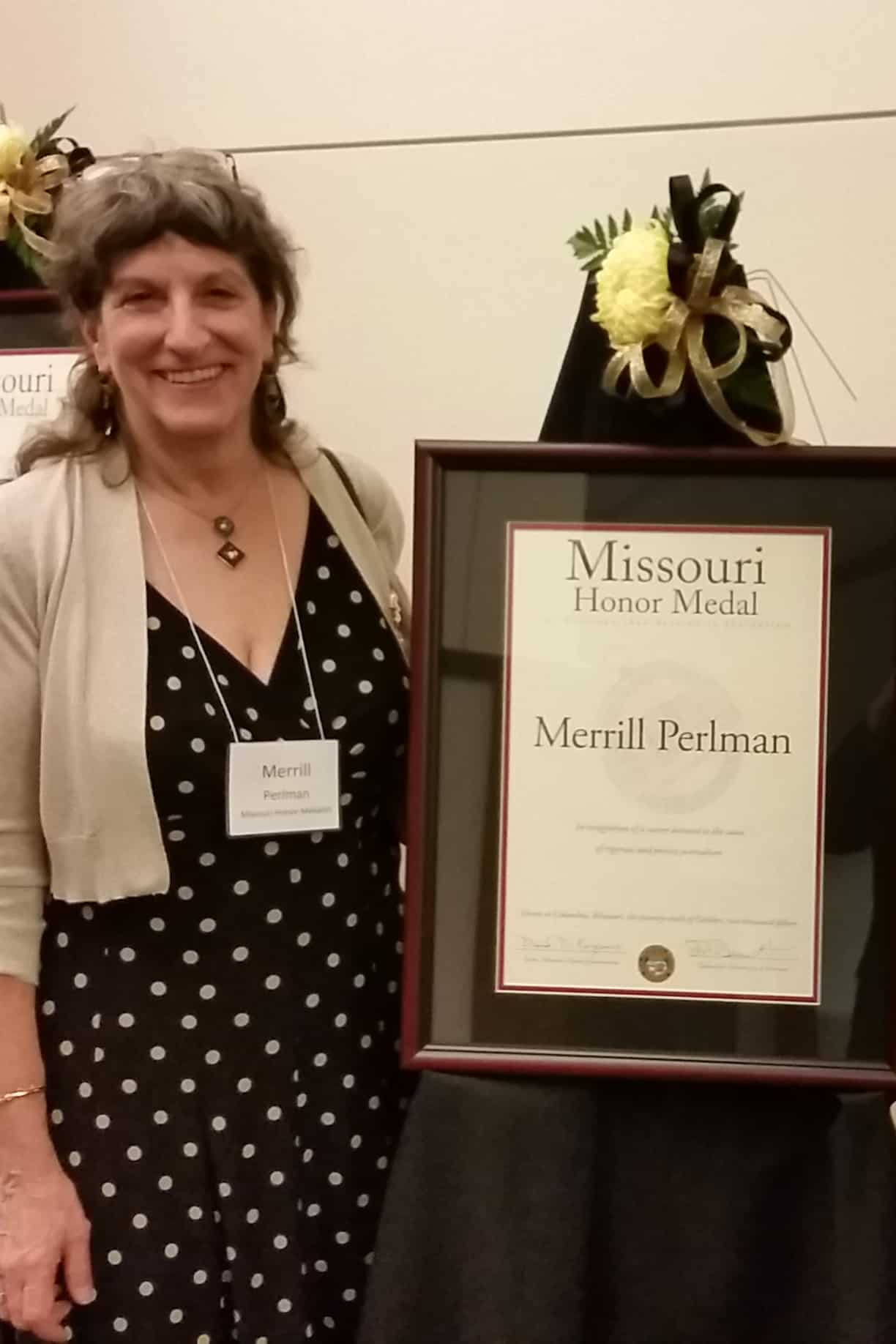
Recipient of the 2015 Missouri Honor Medal for Distinguished Service in Journalism from the Missouri School of Journalism โ one of the highest honors in journalism, awarded to rare master practitioners.
Awarded the prestigious Glamann Award from ACES: The Society for Editing in recognition of significant lifetime contributions to the editing profession and community.
Honored with the Charles R. OโMalley Award for Excellence in Teaching by the Columbia Scholastic Press Association at Columbia University.
Longtime executive committee member and education board member for ACES: The Society for Editing, former president of the ACES Education Fund, and panelist on the American Heritage Dictionary Usage Panel.
Outside of major newsrooms, Merrill collaborates closely with prominent non-fiction writers, journalists, business leaders, and cultural figures.
When Amazon launched Kindle Singles โ dedicated longform essays by notable writers โ Merrill served as a core copy editor, working on pieces by Stephen King (Guns), Erica Jong, Armistead Maupin (Jackie Old), Joe Eszterhas (Heaven and Mel), Paul Alexander (Murdered), Mara Altman (Bearded Lady), Jonathan Biss (Beethoven's Shadow), Sloane Crosley (Up the Down Volcano), Frank Gilroy, Jeremiah Tower, Christina Lewis Halpern, Rick Marin, and Jeff Jarvis.
She edited Moonshot! by former Apple CEO John Sculley, the posthumous speech collection If This Isn't Nice, What Is? by Kurt Vonnegut, Getting More by Pulitzer Prize-winner Stuart Diamond, and Protecting Capitalism: The Case for Eliot Spitzer.
She also co-edited major historical volumes for The New York Times, including The New York Times Manual of Style and Usage, Obama: The Historic Journey, A Nation Challenged, and The Obits: The New York Times Annual.
Explore the Complete Works →A sought-after expert on linguistics, newsroom ethics, and the evolving rules of English style.
Merrill's long-running column dissecting grammar nuances, AP Stylebook developments, and the mechanics of clear reporting.
An opinion piece dissecting candidate typos and the irreplaceable value of rigorous human backstopping (surpassed 300,000 views).
Broadcast conversation on radio exploring the passion, arguments, and controversies behind everyday punctuation.
Direct Q&A sessions answering reader and audience questions about journalistic standards, style, and copy desk operations.
Deep dive into algorithmic tools versus human judgment, empathy, context, and nuance in editorial decision-making.
Radio panel discussion exploring linguistic trends, grammar folklore, and practical communication tips.
Expert commentary exploring the origin and cultural metaphors of economic idioms during financial shifts.
Industry profile highlighting Merrill's diagnostic techniques for spotting hidden narrative flaws and structural roadblocks.